
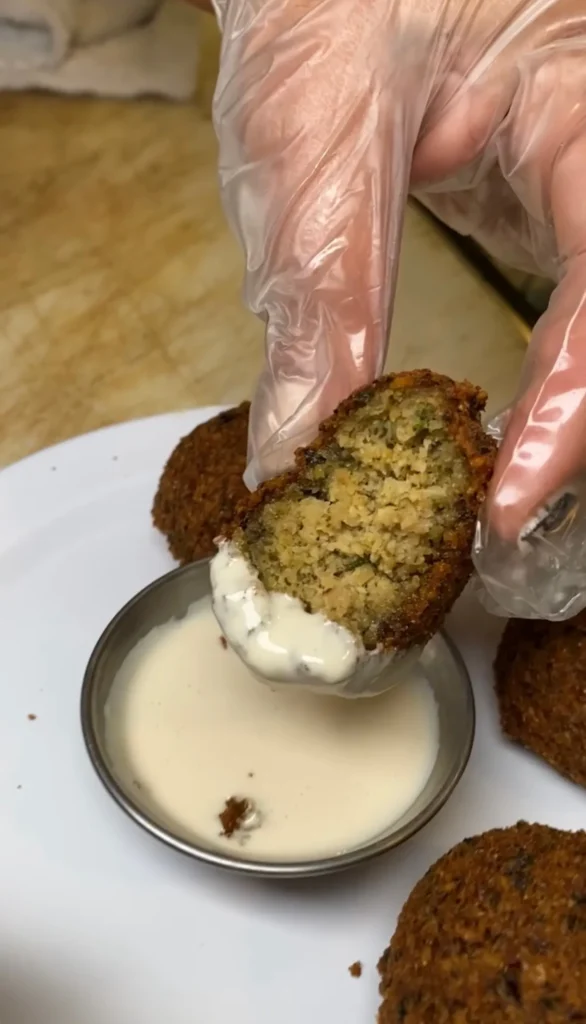
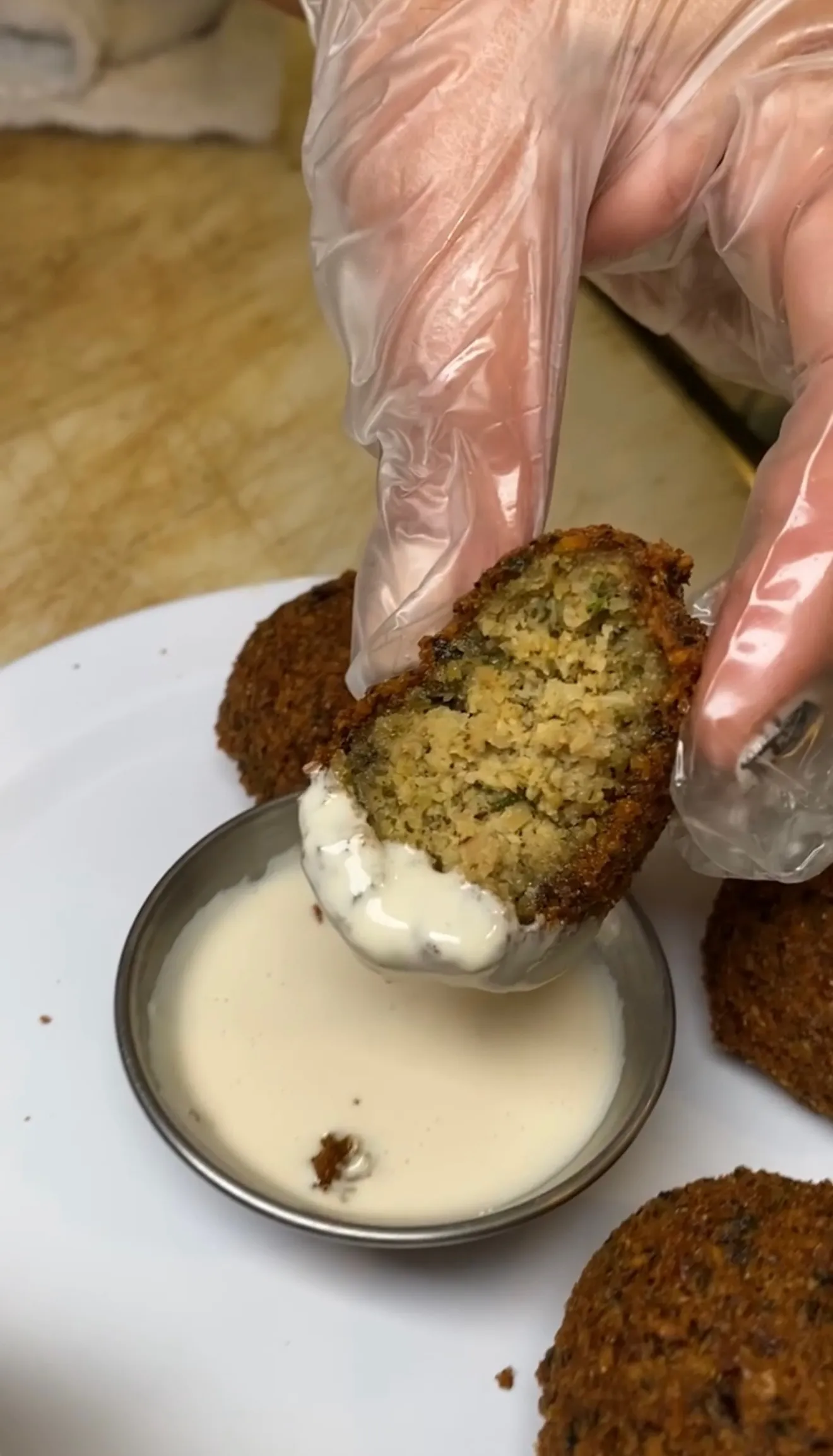
Classic falafel is one of those recipes that looks simple on paper and rewards you for following two non-negotiable rules: use dried chickpeas (never canned) and pulse the mixture coarse (never smooth). Get those right, and you end up with crispy, golden-brown fritters that shatter when you bite through the crust and reveal a tender, bright green, herb-packed interior. This recipe covers the traditional deep-fried method plus baking and air fryer alternatives, along with a smooth tahini sauce that takes 30 seconds to whisk together.
Jump to Recipe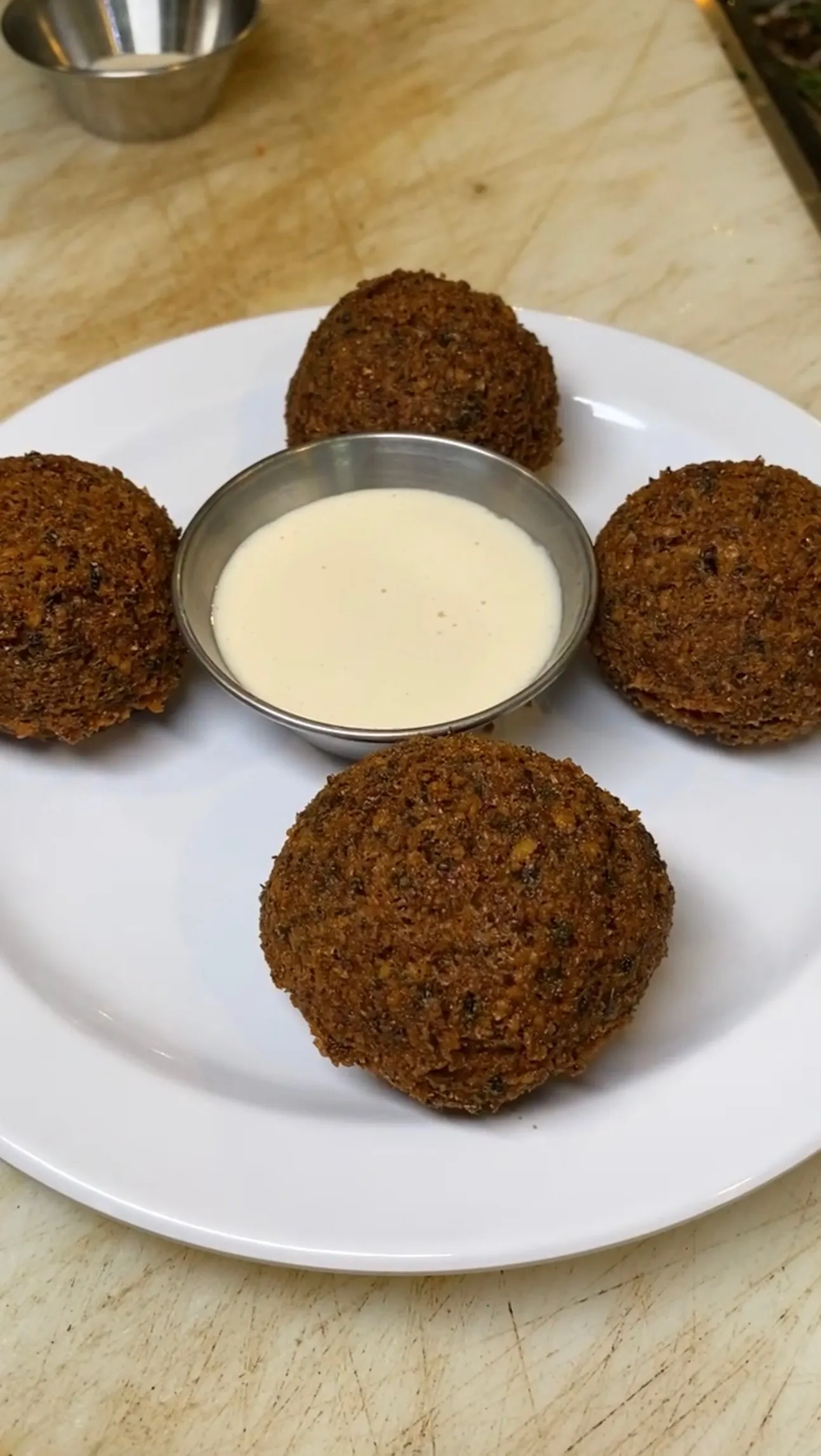
Why You Cannot Use Canned Chickpeas for Falafel
Dried Chickpeas Are the Only Option
This is the single most important rule in falafel making: do not use canned chickpeas. Canned chickpeas are fully cooked. They contain too much moisture and have lost the starchy structure that holds falafel together during frying. If you use canned, the mixture turns into a wet paste that falls apart the second it hits the oil. You end up with greasy chickpea crumble at the bottom of your pot instead of crispy golden balls.
Traditional falafel is made from dried chickpeas that are soaked but never cooked. Soaking rehydrates the chickpeas just enough to blend in a food processor while maintaining the raw starch that acts as a natural binder. That raw starch cooks during frying, firming up the interior while the exterior crisps. Consequently, you get the defining falafel texture: a thin, shattering crust with a tender, bright green interior that is light and fluffy rather than dense and mushy.
Soaking: 12 to 24 Hours, No Shortcuts
Soak 1 cup of dried chickpeas in plenty of cold water for 12 to 24 hours. They will triple in size, so use a large bowl and cover them by at least 3 inches of water. Adding 1/2 teaspoon of baking soda to the soaking water helps soften the outer skins and produces a slightly fluffier interior. After soaking, drain and rinse thoroughly. Properly soaked chickpeas should feel firm but mashable between your fingers. If they still feel rock-hard in the center, soak for a few more hours. Do not boil or cook them. Frying handles the cooking entirely.
Getting the Right Texture in the Food Processor
Coarse and Grainy, Not Smooth
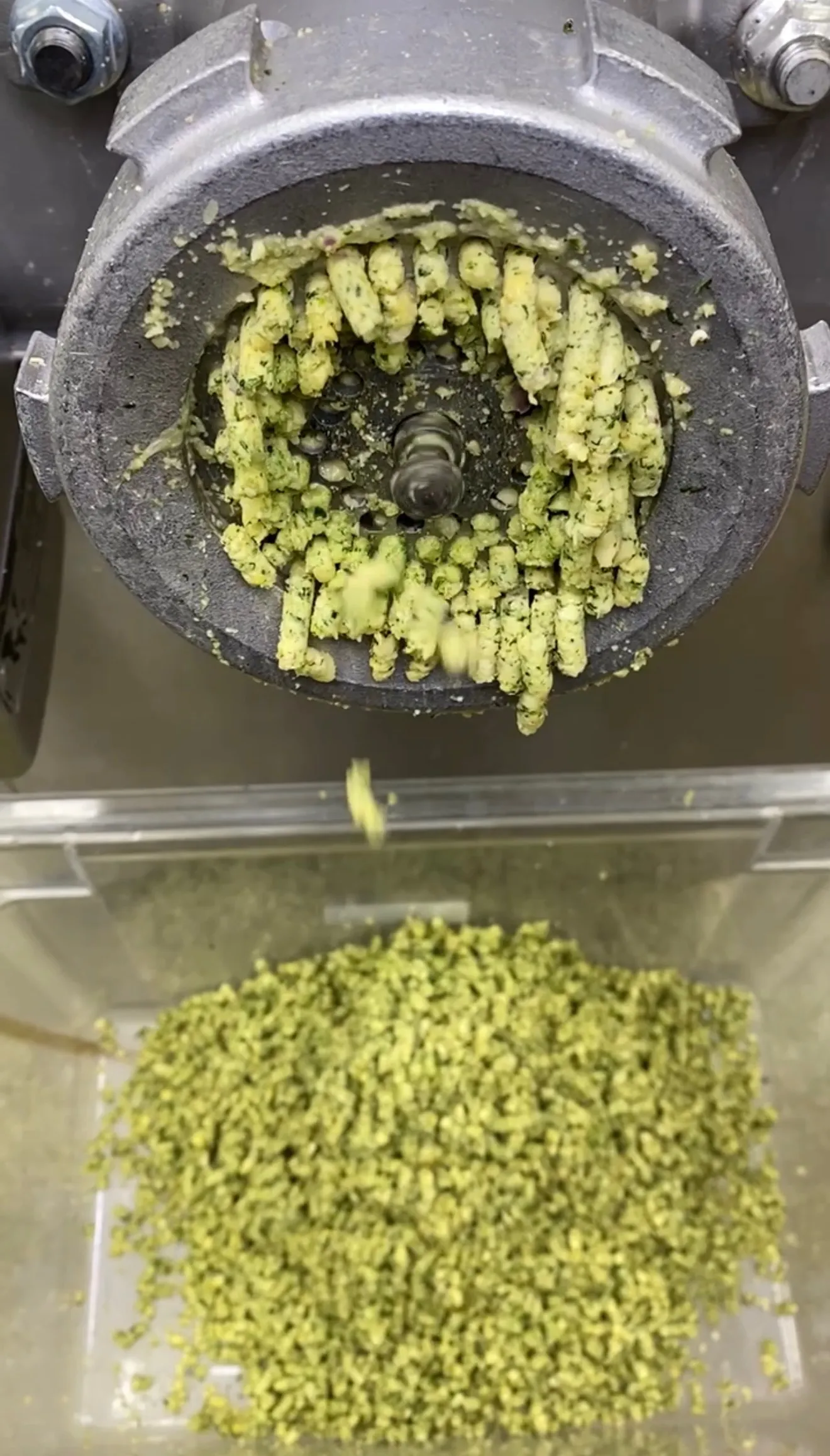
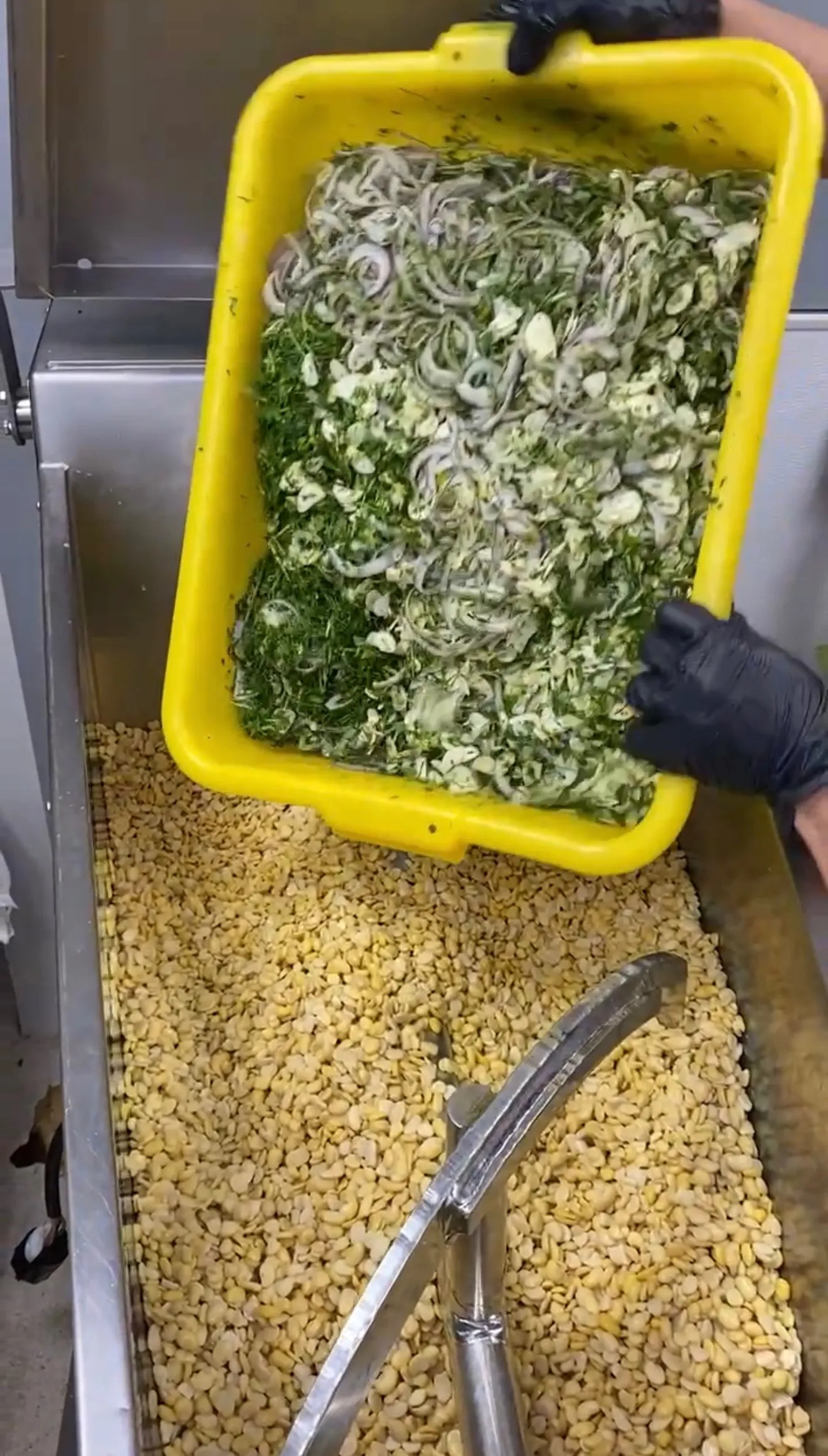
Your food processor does all the work, but you need to pulse, not blend. Dump the drained chickpeas, chopped onion, garlic, and fresh herbs into the food processor and pulse in short bursts. Scrape down the sides between pulses. You want a coarse, grainy mixture with visible chickpea pieces roughly the size of couscous. If you process it into a smooth paste, the falafel becomes dense and gummy instead of light and fluffy.
Season the Mixture, Then Let It Rest
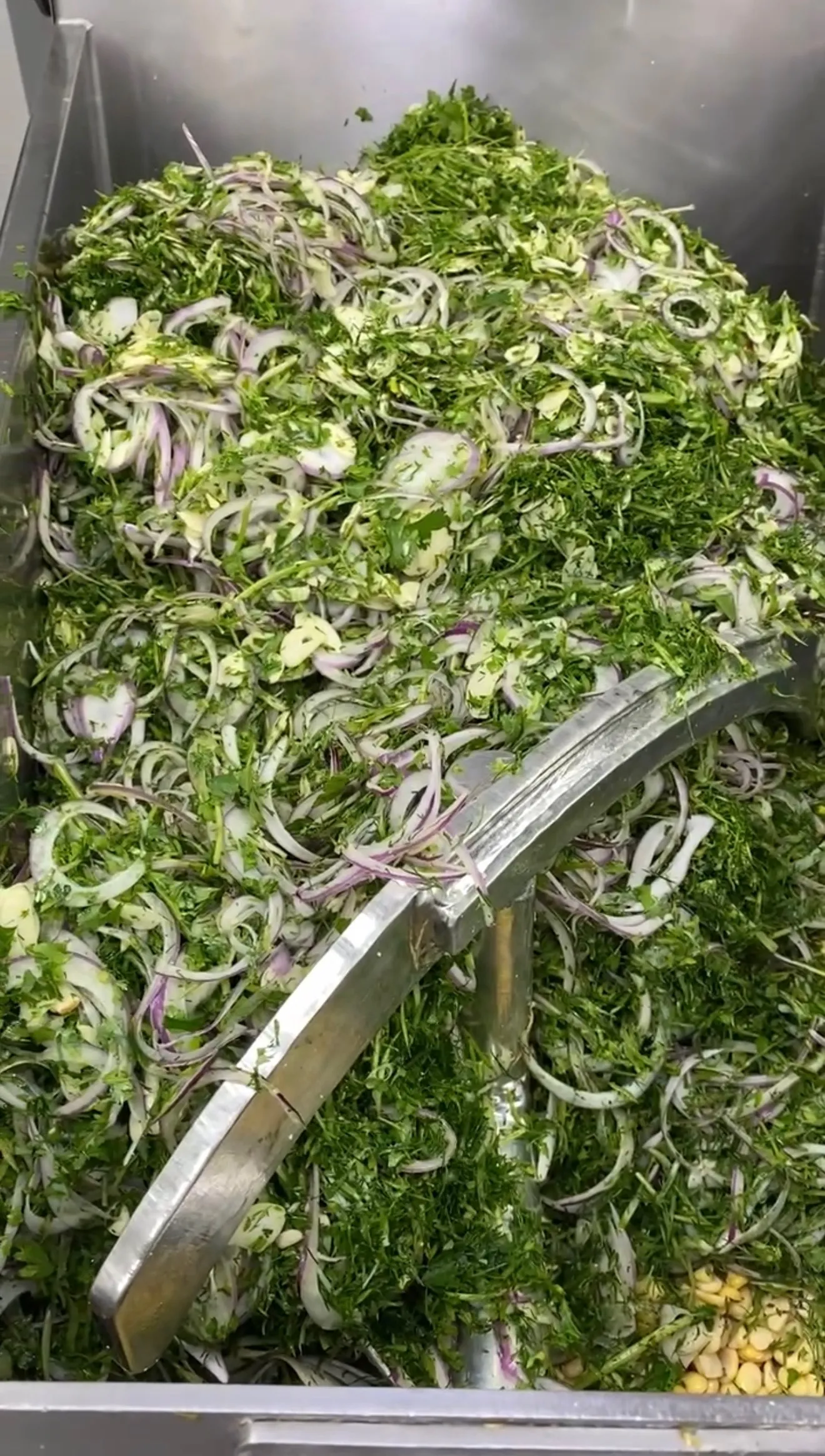
If your food processor is small, process the herbs separately first. Roughly chop the parsley (and cilantro, if using), then add them to the chickpea mixture. Distribute the herbs evenly throughout so you get those distinctive green flecks visible when you break a falafel open. After pulsing to the right consistency, add the spices, baking soda, and flour. Pulse a few more times to combine. Transfer to a bowl, cover, and refrigerate for 30 to 60 minutes. Resting firms up the mixture and makes shaping much easier.
Fresh Herbs Are Not Negotiable
Dried parsley will not work here. Fresh flat-leaf parsley is essential for flavor, color, and moisture balance. These herbs provide the bright, grassy notes that make falafel taste alive rather than like a fried chickpea ball. One cup of packed parsley is the standard. For a more complex flavor, replace half the parsley with fresh cilantro. Some recipes add fresh dill for a lighter, more fragrant profile. Whatever combination you choose, use fresh herbs exclusively. They contribute moisture that helps bind the mixture and color that makes the interior green.
Frying, Baking, and Air Frying Compared
Deep Frying Produces the Best Falafel
Frying at 350°F (175°C) for 3 to 4 minutes produces a thin, shattering crust and a steaming, fluffy interior. Hot oil seals the exterior almost instantly, trapping moisture inside the falafel. This is the traditional method and the one that produces the closest texture to what you would find at a Middle Eastern street vendor. Use a neutral oil with a high smoke point: vegetable, canola, or sunflower. Fry in small batches of 4 to 5 at a time. Overcrowding drops the oil temperature and produces soggy, oil-logged falafel.
Baking and Air Frying: Lighter but Different
Baking at 400°F (200°C) for 20 to 25 minutes, flipping halfway through, produces a drier exterior without the same level of crunch. Brush or spray the falafel generously with olive oil before baking to compensate. Air frying at 375°F for 12 to 15 minutes produces results closer to frying than baking, with a crispier surface. However, neither method fully replicates the thin, shattering shell that frying creates. For the lightest possible version with the best texture trade-off, air frying is the better alternative. Specifically, the circulating hot air browns the surface more evenly than a static oven.
Tahini Sauce: The Essential Partner
Why the Sauce Seizes Before It Smooths Out
When you first add lemon juice to tahini, the mixture thickens into a stiff, clumpy paste. This is normal. Tahini is a suspension of sesame solids in sesame oil, and the acid from lemon juice causes the proteins to tighten. Adding cold water gradually while whisking reverses the process. Cold water emulsifies with the sesame oil, and the sauce loosens into a smooth, pourable consistency. Start with 1/4 cup of cold water and add more a tablespoon at a time until you reach your preferred thickness. Additionally, the sauce thickens slightly as it sits, so make it a touch thinner than your target consistency.
Balancing Lemon, Garlic, and Salt
Tahini sauce should taste bright, nutty, and slightly savory. Start with 2 tablespoons of fresh lemon juice, 1 minced garlic clove, and 1/2 teaspoon of salt. Taste and adjust. Additional lemon makes it tangier. A second garlic clove makes it sharper, while extra water thins it out for a milder flavor. Balanced tahini sauce complements the falafel without overpowering it. A good tahini sauce brightens and cuts through the richness of the fried chickpea without competing with the herbs and spices inside.
Classic Falafel with Tahini Sauce
Ingredients
Canned chickpeas are too wet and too soft. They fall apart during frying. Soak dried chickpeas for 12 to 24 hours, but do not cook them. Frying cooks the raw, soaked chickpeas through.
Aim for coarse and grainy, like wet sand. If you process it into a smooth paste, the falafel becomes dense and gummy. Pulse in short bursts and scrape down the sides between each.
Refrigerate the mixture for 30 to 60 minutes before forming. Cold mixture holds its shape better and is easier to handle. If it still crumbles, add 1 more tablespoon of flour.
Step-by-Step Instructions
Step 1: Soak the Chickpeas
Place 1 cup of dried chickpeas in a large bowl and cover with at least 3 inches of cold water. Expect them to triple in size overnight. Soak for 12 to 24 hours. Do not skip this step and do not use canned chickpeas. After soaking, drain and rinse thoroughly. Pat dry with a clean towel.
Step 2: Blend the Mixture
Add the drained chickpeas, roughly chopped onion, garlic cloves, and fresh parsley to a food processor. Pulse in short bursts, scraping down the sides between pulses. You want a coarse, grainy texture with visible chickpea pieces, not a smooth paste. When pressed between your fingers, it should hold together but still have a crumbly, textured appearance.
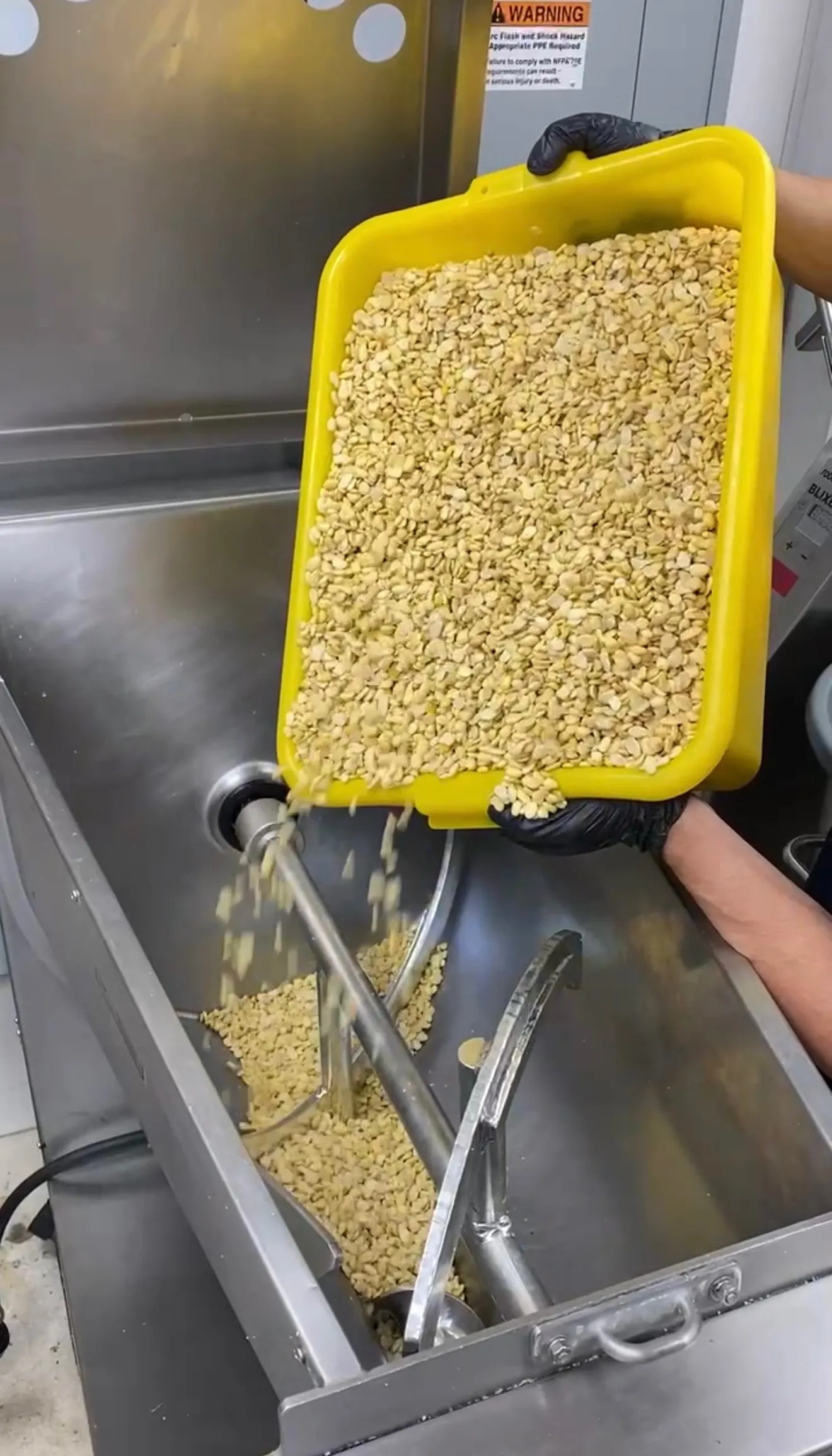
Step 3: Season and Rest
Add the salt, cumin, coriander, black pepper, baking soda, and flour to the food processor. Pulse a few more times to distribute the spices evenly. Transfer the mixture to a bowl, cover, and refrigerate for 30 to 60 minutes. Resting firms up the mixture and makes shaping easier. If the mixture feels too wet after resting, add 1 additional tablespoon of flour and mix by hand.
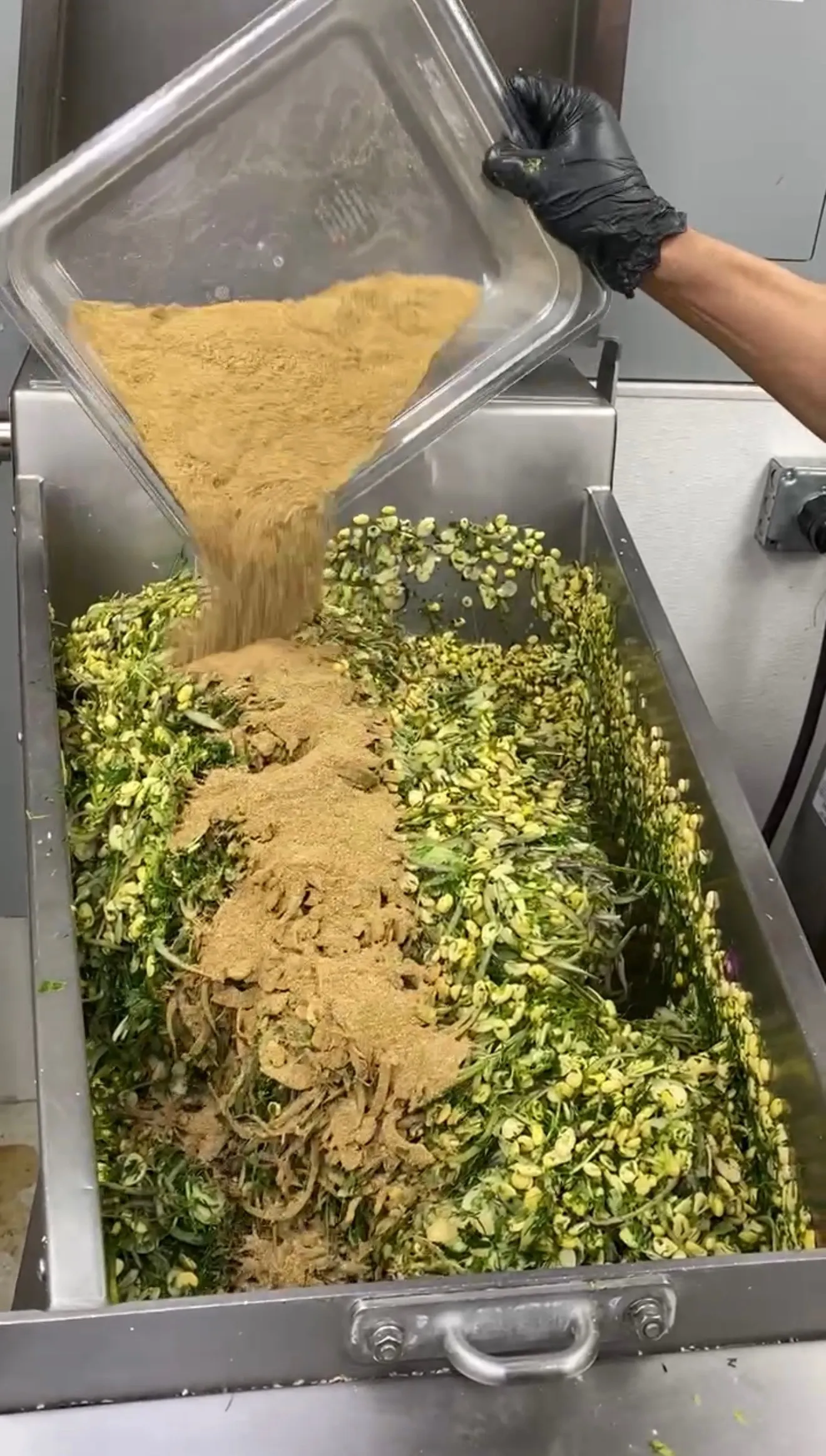
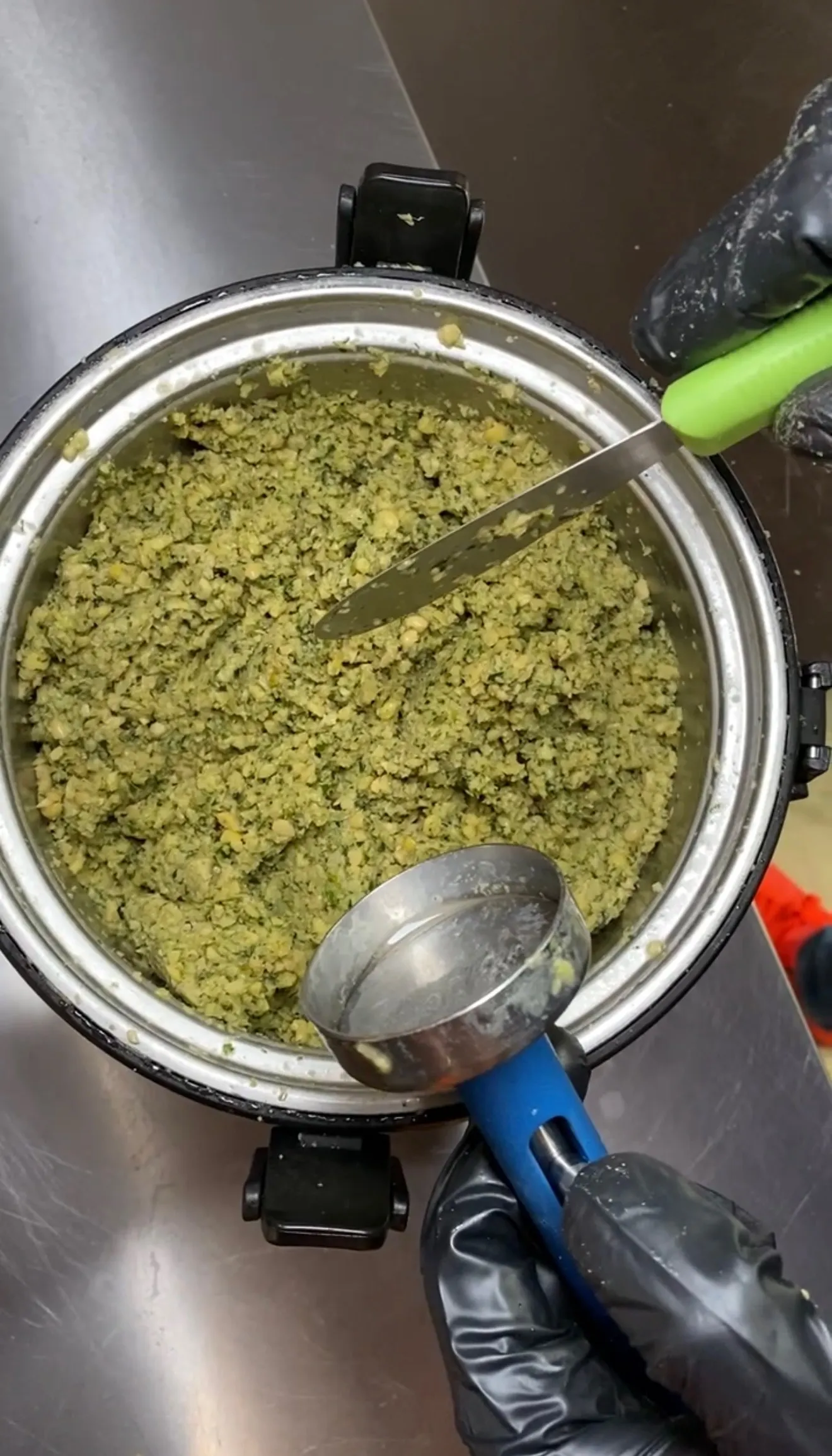
Step 4: Shape the Falafel
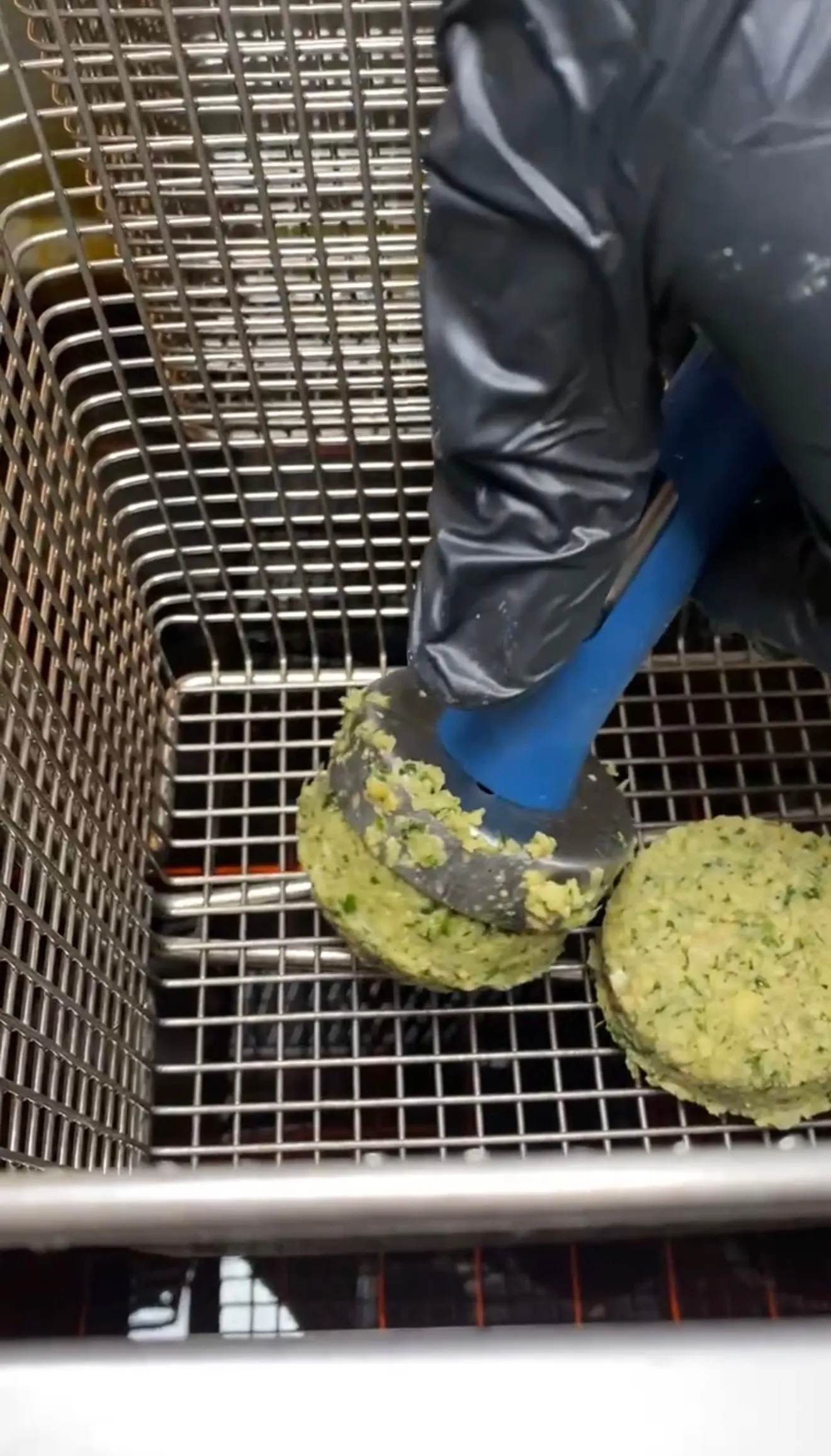
Scoop about 2 tablespoons of the mixture and form into balls roughly the size of a walnut, or press into small patties about 1/2 inch thick. Patties cook more evenly and have a higher crust-to-interior ratio. Balls are more traditional and hold together better in pita. Use slightly wet hands to prevent sticking. Place the shaped falafel on a parchment-lined tray.
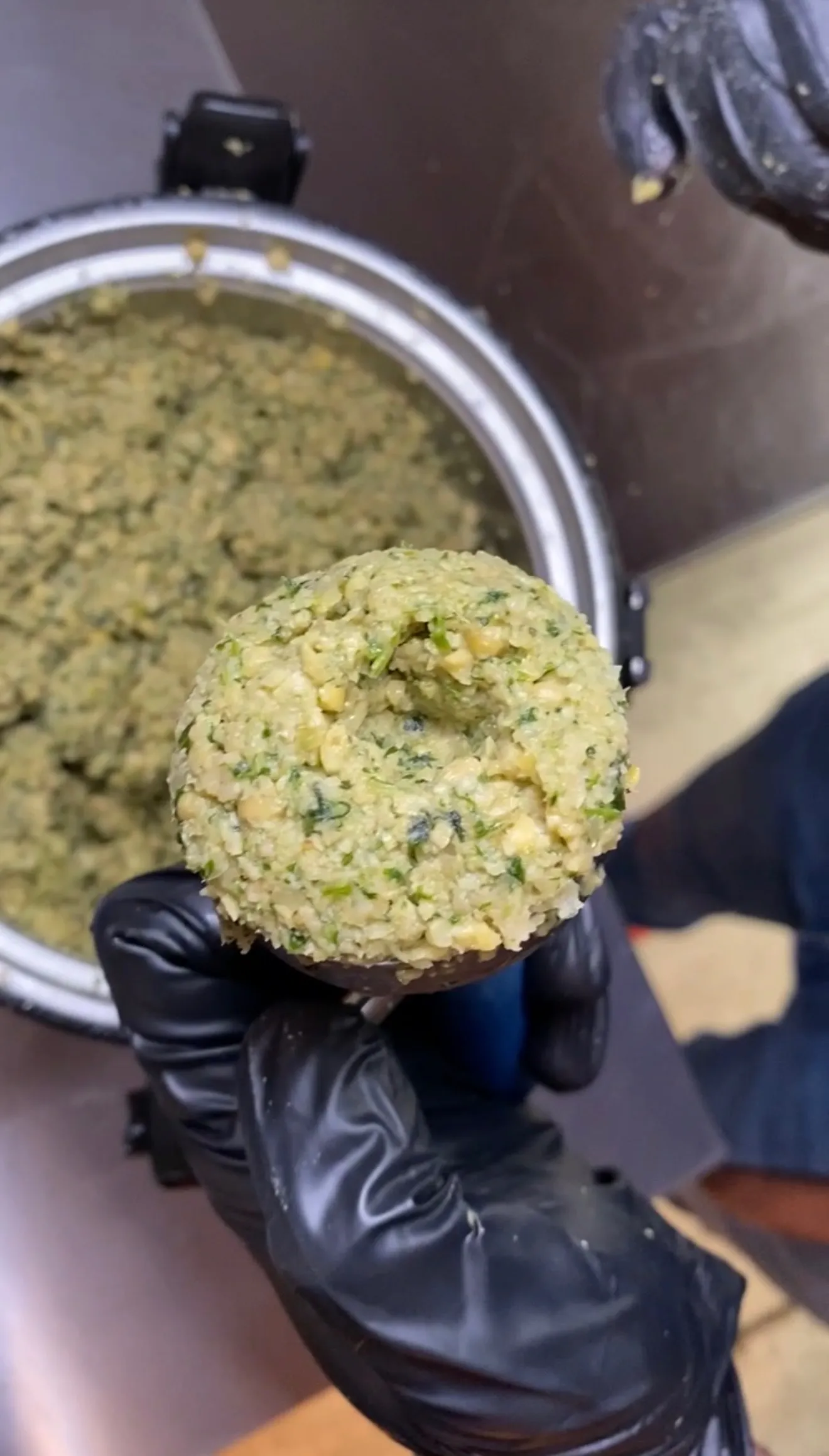
Step 5: Fry the Falafel
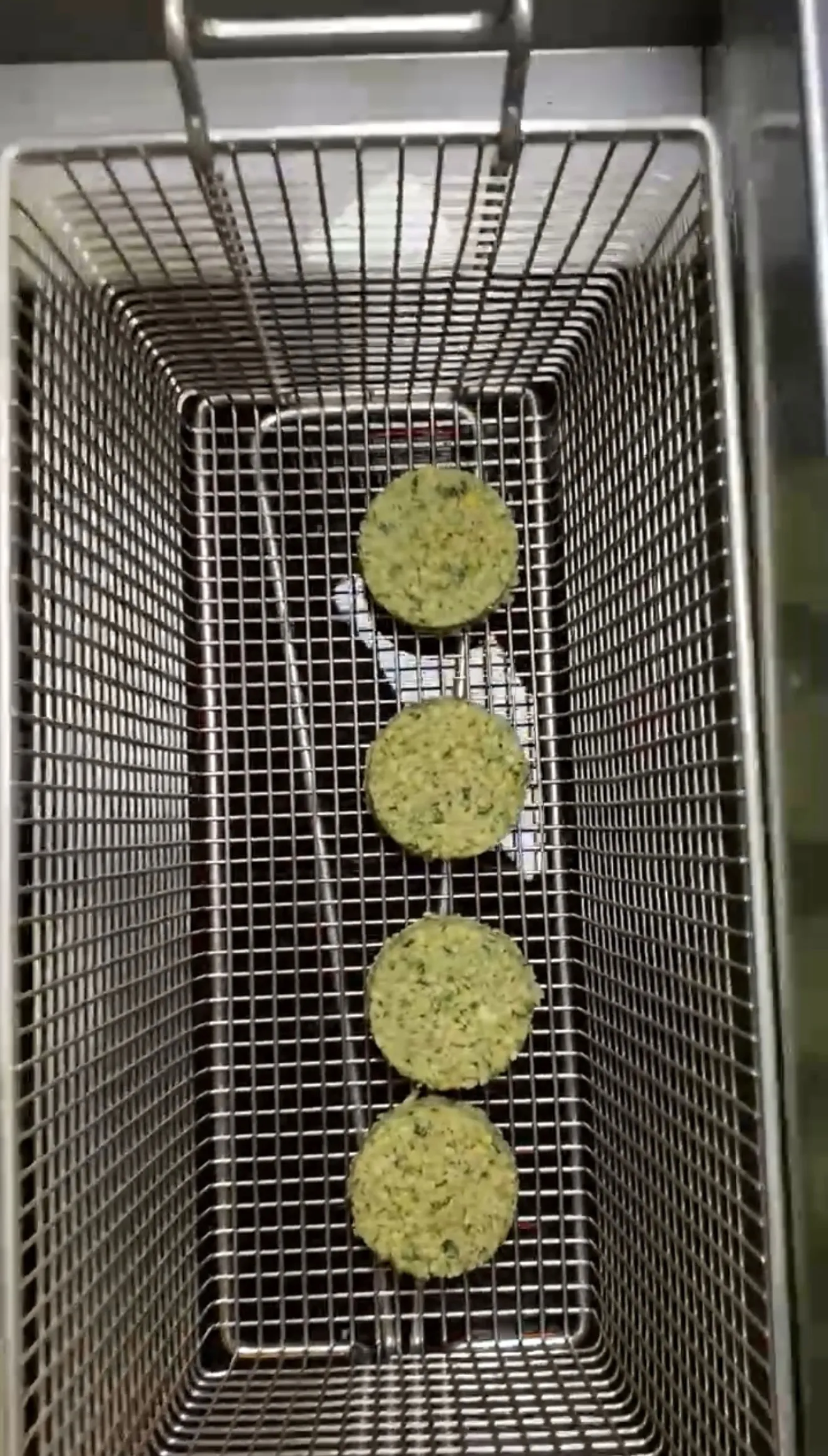
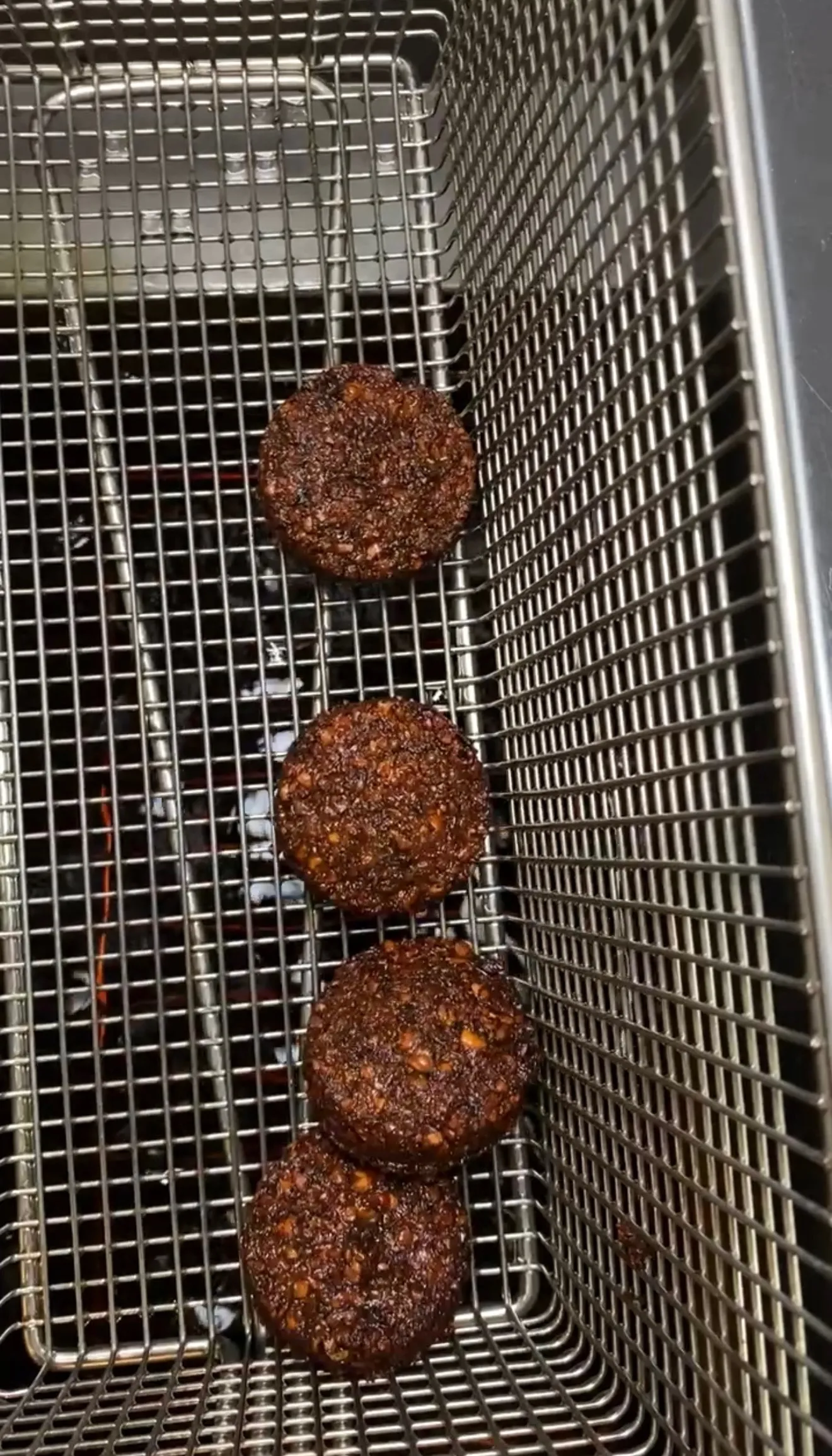
Heat 2 to 3 inches of oil in a deep pot or skillet to 350°F (175°C). Carefully lower falafel into the oil in small batches, 4 to 5 at a time. Do not overcrowd. Fry for 3 to 4 minutes, turning once, until deep golden brown on all sides. Remove with a slotted spoon and drain on paper towels or a wire rack.
For baking: preheat to 400°F (200°C), brush falafel generously with olive oil, and bake on a parchment-lined sheet for 20 to 25 minutes, flipping halfway. For air frying: 375°F for 12 to 15 minutes, flipping halfway, with a light spray of oil.
Step 6: Make the Tahini Sauce
In a bowl, whisk together 1/2 cup tahini, 2 to 3 tablespoons fresh lemon juice, 1 minced garlic clove, and 1/2 teaspoon salt. It will seize and thicken immediately. That is normal. Slowly add cold water, 1 tablespoon at a time, whisking constantly, until the sauce reaches a smooth, pourable consistency. Taste and adjust with more lemon for tang, more salt for depth, or more water for a thinner texture.
Step 7: Serve
Stuff falafel into warm pita with shredded lettuce, diced tomato, pickled onions, and a generous drizzle of tahini sauce. Alternatively, serve on a mezze platter alongside hummus, tabbouleh, pickles, and olives. Falafel is best eaten hot and fresh. Leftovers can be stored in the refrigerator for up to 3 days and reheated in a 350°F oven for 10 minutes or in an air fryer for 5 minutes.
Classic Falafel with Tahini Sauce
Ingredients
Equipment
Method
- Soak 1 cup dried chickpeas in a large bowl covered with 3 inches of cold water for 12-24 hours. Drain and rinse thoroughly.
- Add drained chickpeas, onion, garlic, and fresh parsley to a food processor. Pulse in short bursts until coarse and grainy (like wet sand), not smooth. Scrape sides between pulses.
- Add salt, cumin, coriander, black pepper, baking soda, and flour. Pulse a few more times to combine. Transfer to a bowl, cover, and refrigerate 30-60 minutes.
- Shape mixture into walnut-sized balls or 1/2-inch thick patties using about 2 tablespoons per falafel. Use slightly wet hands to prevent sticking.
- Heat 2-3 inches of oil to 350°F (175°C). Fry in batches of 4-5 for 3-4 minutes, turning once, until deep golden brown. Drain on paper towels or a wire rack.
- For tahini sauce: whisk tahini, lemon juice, garlic, and salt. Slowly add cold water 1 tablespoon at a time, whisking until smooth and pourable. Adjust to taste.
- Serve falafel hot in warm pita with salad and tahini sauce, or on a mezze platter with hummus and pickles.
Notes
Classic Falafel — FAQ
Falafel Questions
No. Canned chickpeas are fully cooked and too wet. They produce a mushy paste that falls apart during frying. Traditional falafel requires dried chickpeas that are soaked for 12 to 24 hours but never cooked. The raw starch in soaked chickpeas acts as a natural binder that firms up during frying, creating the signature crispy exterior and fluffy interior.
The most common cause is too much moisture in the mixture. Make sure the chickpeas are thoroughly drained and patted dry after soaking. The food processor mixture should be coarse, not a smooth paste. If the mixture is still too wet, add 1 more tablespoon of flour and refrigerate for another 30 minutes. Additionally, make sure the oil is at 350°F before adding the falafel. Cold oil causes them to absorb water and fall apart.
Yes. The chickpeas are soaked but not cooked before blending. However, they are fully cooked during the frying process. The 350°F oil heats the interior of each falafel well above the temperature needed to cook raw chickpeas. This method has been used in Middle Eastern cooking for generations and is the traditional way to make falafel.
Yes, but the texture is different. Bake at 400°F for 20 to 25 minutes, flipping halfway, with a generous brushing of olive oil. The exterior will be drier and less crispy than fried falafel. Air frying at 375°F for 12 to 15 minutes produces results closer to frying. Frying remains the best method for achieving the traditional thin, shattering crust.
Tahini Sauce and Serving
This is normal and expected. The acid in the lemon juice causes the sesame proteins in tahini to tighten, creating a thick, stiff paste. Adding cold water gradually while whisking reverses the process. The water emulsifies with the sesame oil, and the sauce loosens into a smooth, pourable consistency. Start with 1/4 cup and add more a tablespoon at a time.
Yes. You can freeze the uncooked shaped falafel on a baking sheet, then transfer to a freezer bag for up to 3 months. Fry directly from frozen, adding 1 to 2 extra minutes to the cooking time. Alternatively, freeze the raw mixture in an airtight container and thaw in the refrigerator before shaping. Cooked falafel can also be frozen and reheated in a 350°F oven or air fryer.
The most traditional way is stuffed into warm pita bread with shredded lettuce, diced tomato, pickled vegetables, and a generous drizzle of tahini sauce. Falafel also works on a mezze platter alongside hummus, tabbouleh, pickles, and olives. For a lighter option, serve on top of a grain bowl with cucumber, red onion, and tahini dressing.
Falafel is naturally vegan as it contains no animal products. For gluten free, substitute the all-purpose flour with chickpea flour (which is more traditional anyway) or any gluten-free flour blend. The tahini sauce is also naturally vegan and gluten free. Check frying oil for cross-contamination if eating at a restaurant that also fries gluten-containing items.