
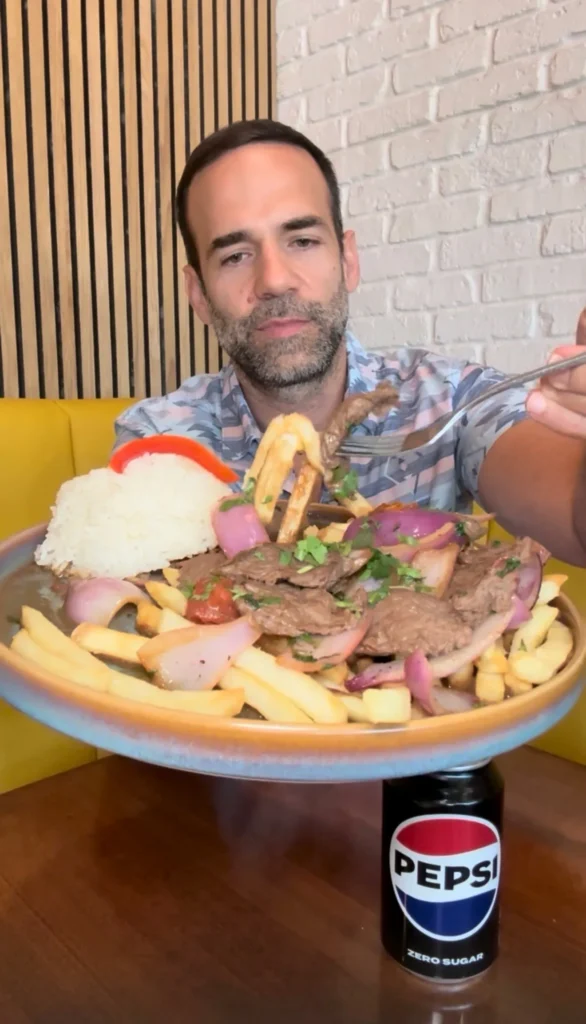
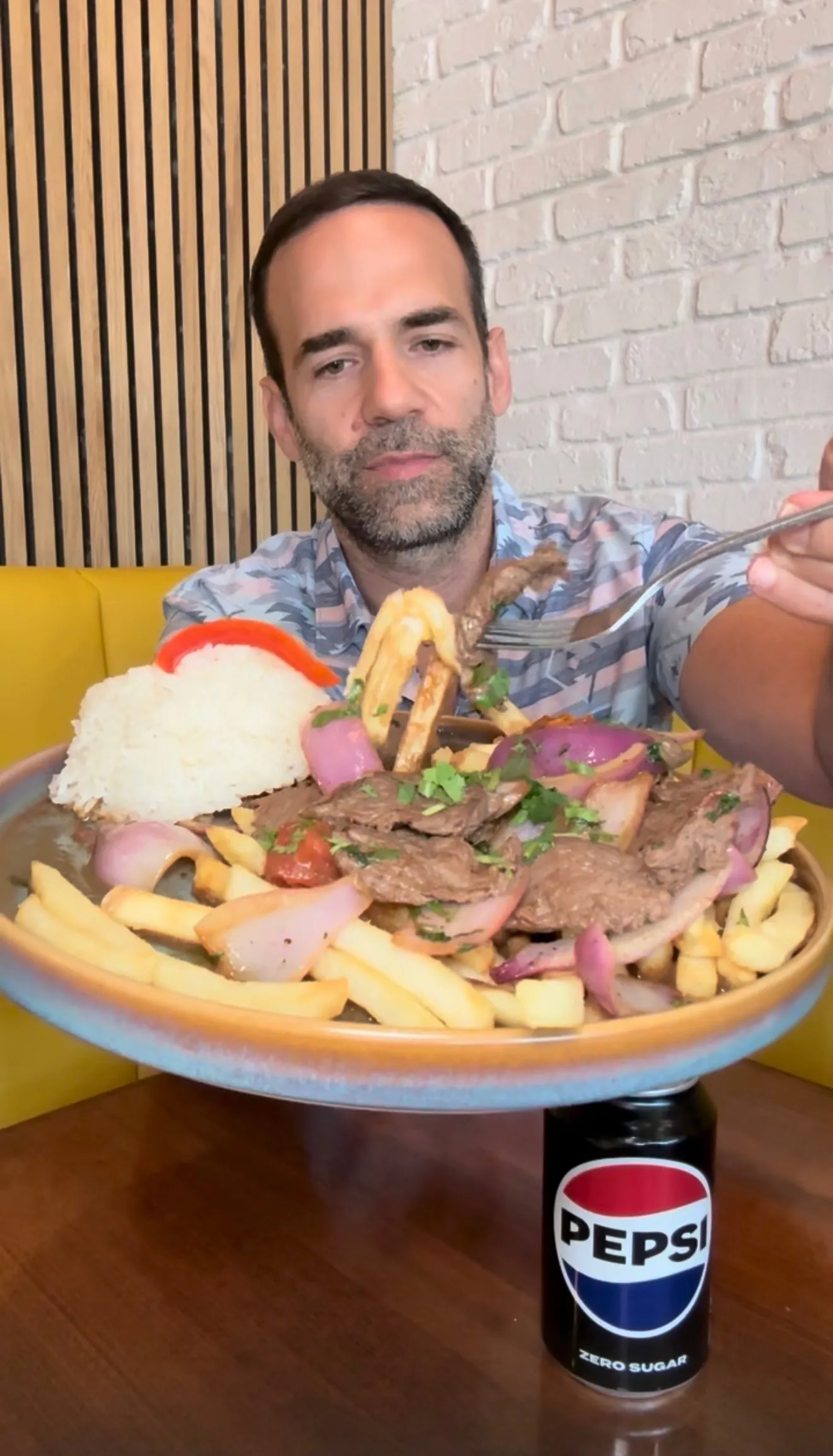
Lomo saltado is Peru’s answer to stir fry, and it hits different from anything you have had in a wok before. Strips of beef seared at screaming-high heat, tossed with red onion, tomatoes, soy sauce, and red wine vinegar, then served with both crispy French fries and white rice on the same plate. The dish is a product of Chifa cuisine, the fusion born when Cantonese immigrants brought wok cooking to Peru in the 19th century. This recipe takes about 25 minutes from start to plate.
Jump to Recipe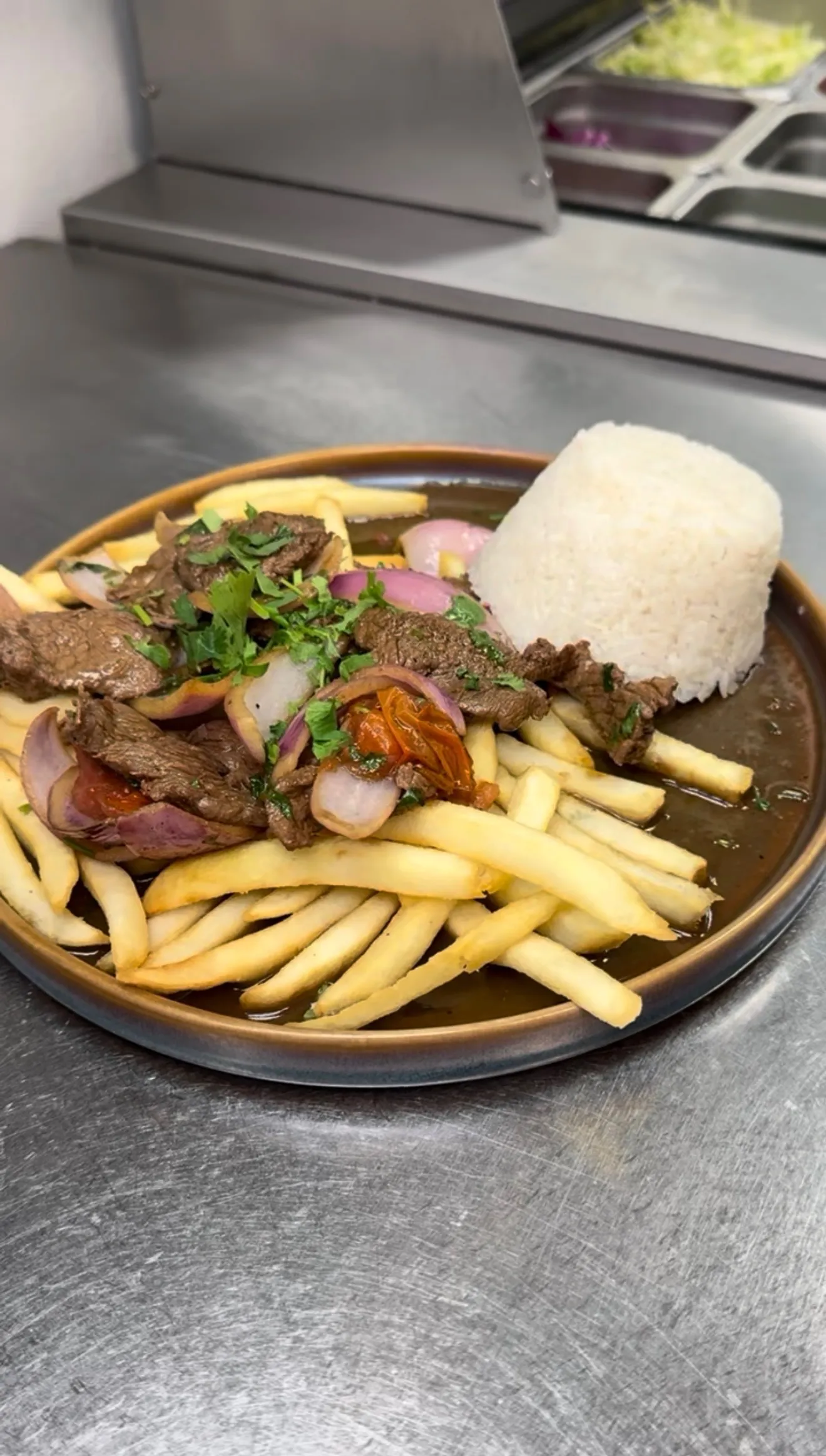
What Makes Lomo Saltado Different from Regular Stir Fry
Chinese Technique, Peruvian Soul
Lomo saltado is a Chifa dish, meaning it belongs to the cuisine created when thousands of Cantonese immigrants arrived in Peru during the 19th century. They brought woks, soy sauce, and stir-fry technique. Peruvians contributed aji amarillo peppers, red onions, and the idea of serving everything alongside rice and thick-cut fries. The result is a dish that exists nowhere else in the world: beef stir-fried at screaming-high heat in soy sauce and vinegar, tossed with tomatoes and onions, then plated with both fries and rice on the same plate.
The name translates loosely to “jumping loin,” a reference to the way the beef strips leap in the hot wok. Consequently, the dish demands speed and high heat. Every ingredient gets just enough time in the pan to develop color and flavor without overcooking. The tomatoes stay firm, the onions keep their crunch, and the beef stays pink in the center.
The Fry Debate: In or On the Side
In Peru, the fries go directly into the stir fry during the last minute of cooking. They absorb the soy-vinegar sauce and soften slightly while maintaining some crunch. This is the traditional method. However, many home cooks prefer serving the fries on the side or underneath the stir fry to keep them crispy. Both approaches are valid. Peruvian chef Gaston Acurio suggests a hybrid: toss half the fries into the stir fry for sauce absorption and keep the other half crispy on the side. Therefore, you get both textures in one plate.
Why High Heat Is Non-Negotiable
The Wok Hei Effect
Wok hei is the Cantonese term for “breath of the wok,” that smoky, slightly charred flavor that only comes from cooking over extreme heat. Lomo saltado depends on this flavor. When beef strips hit a ripping-hot pan, the surface sears instantly, creating a brown crust while the interior stays medium-rare. If the pan is not hot enough, the beef releases moisture, drops the temperature, and steams instead of searing. You end up with gray, chewy meat instead of caramelized strips with a smoky edge.
Additionally, the vegetables need that same aggressive heat. The tomato wedges should char slightly on their cut faces while remaining firm inside. The red onion should soften at the edges but retain a crunch at the core. Two to three minutes in a hot wok is all the vegetables need. Any longer and they turn to mush, releasing water that dilutes the sauce.
Batch Cooking Prevents Overcrowding
The single biggest mistake with lomo saltado is overcrowding the pan. When too much food sits in the wok at once, the temperature plummets. Moisture pools instead of evaporating, and nothing sears. Cook the beef first, in a single layer with space between each strip. Remove it. Cook the vegetables next, quickly. Then combine everything at the end with the sauce. This staged approach takes an extra two minutes but produces restaurant-quality results. Specifically, the beef stays tender, the vegetables stay bright, and the sauce clings to everything instead of pooling at the bottom.
Choosing the Right Cut of Beef
Sirloin Is the Sweet Spot
Traditional lomo saltado uses beef tenderloin (lomo fino in Peru). It is lean, extremely tender, and cooks in seconds. However, tenderloin is expensive and can taste bland without marbling. Sirloin offers the best balance of tenderness, flavor, and price for home cooking. It has enough fat to stay juicy during a hard sear but is lean enough to not feel greasy. Cut it into thick strips, about 1 inch wide and 3 inches long, against the grain. Cutting against the grain shortens the muscle fibers and makes each bite noticeably more tender.
Ribeye works as a premium upgrade. The extra marbling melts during the sear and bastes the meat from the inside. For a budget-friendly option, flank steak or skirt steak also perform well, though they benefit from being sliced thinner (about 1/2 inch) to counteract their tighter grain. Regardless of the cut, pat the beef completely dry before seasoning. Surface moisture prevents browning.
Aji Amarillo: The Ingredient That Makes It Peruvian
Aji amarillo is a bright yellow Peruvian pepper with moderate heat and a fruity, slightly sweet flavor that you cannot replicate with other chili varieties. The paste form (available in jars at Latin grocery stores and online) is the most accessible option outside of Peru. One to two tablespoons stirred into the sauce transforms lomo saltado from a generic stir fry into something distinctly Peruvian. If you cannot find it, the dish still tastes great with soy sauce and vinegar alone, but adding aji amarillo is what separates a good version from an authentic one.
Lomo Saltado
Ingredients
The pan should be smoking before the beef goes in. If you hear a loud sizzle the second the meat hits the surface, you are at the right temperature. If the beef sits quietly, the pan is too cold.
Cook the beef in a single layer with space between strips. Overcrowding drops the pan temperature and the beef steams instead of searing. Work in batches if needed.
This bright yellow Peruvian pepper paste is what separates lomo saltado from a generic beef stir fry. Find it at Latin grocery stores or online. One to two tablespoons transforms the entire dish.
Step-by-Step Instructions
Step 1: Cook the Fries
Fry or bake your French fries until golden and crispy. Frozen fries work perfectly here. If baking, spread them on a sheet pan in a single layer and bake at 425°F until crisp, about 20 to 25 minutes. Set aside and keep warm. The fries get added at the very end, so they need to be ready before you start the stir fry.
Step 2: Season and Sear the Beef
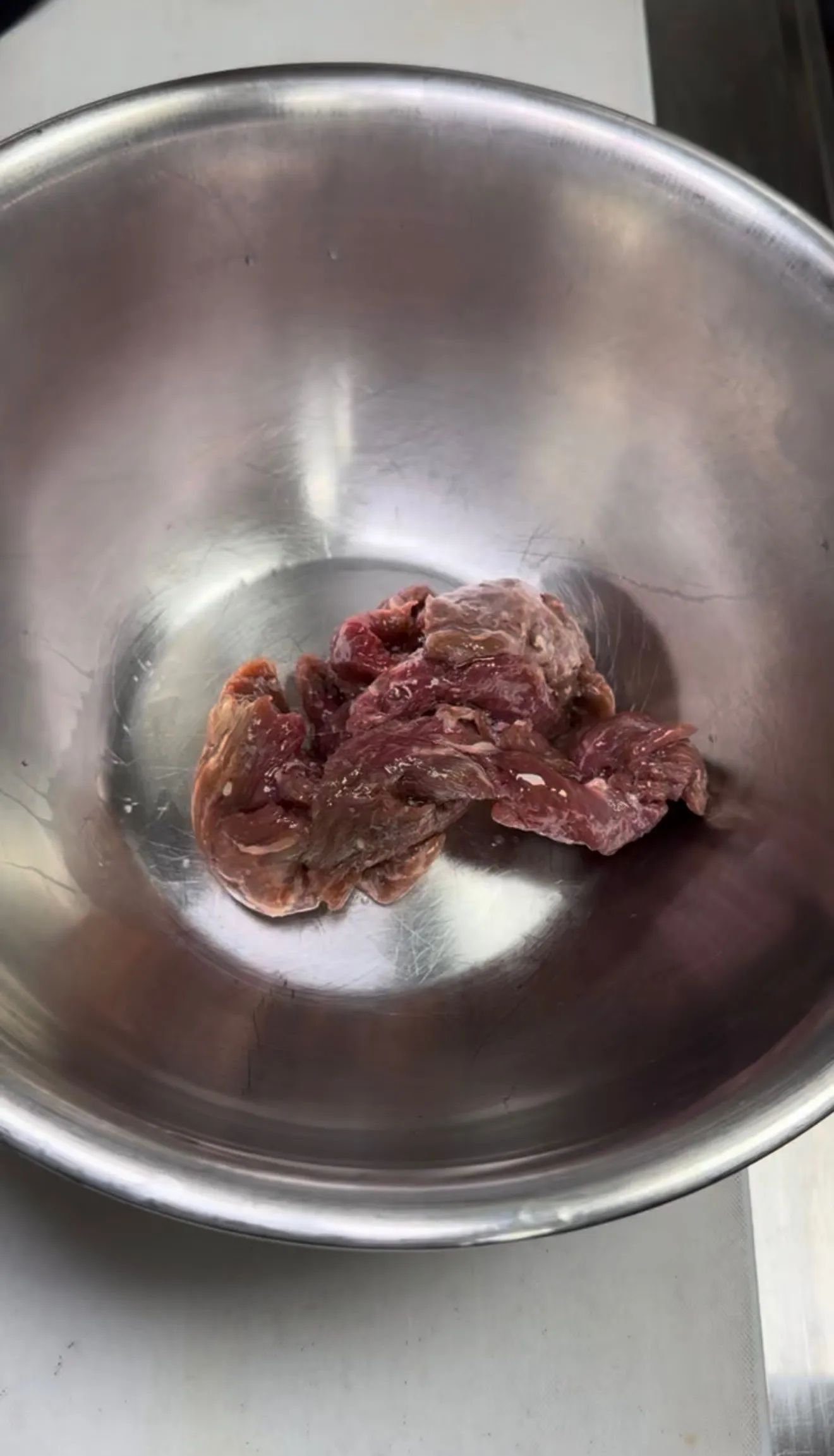
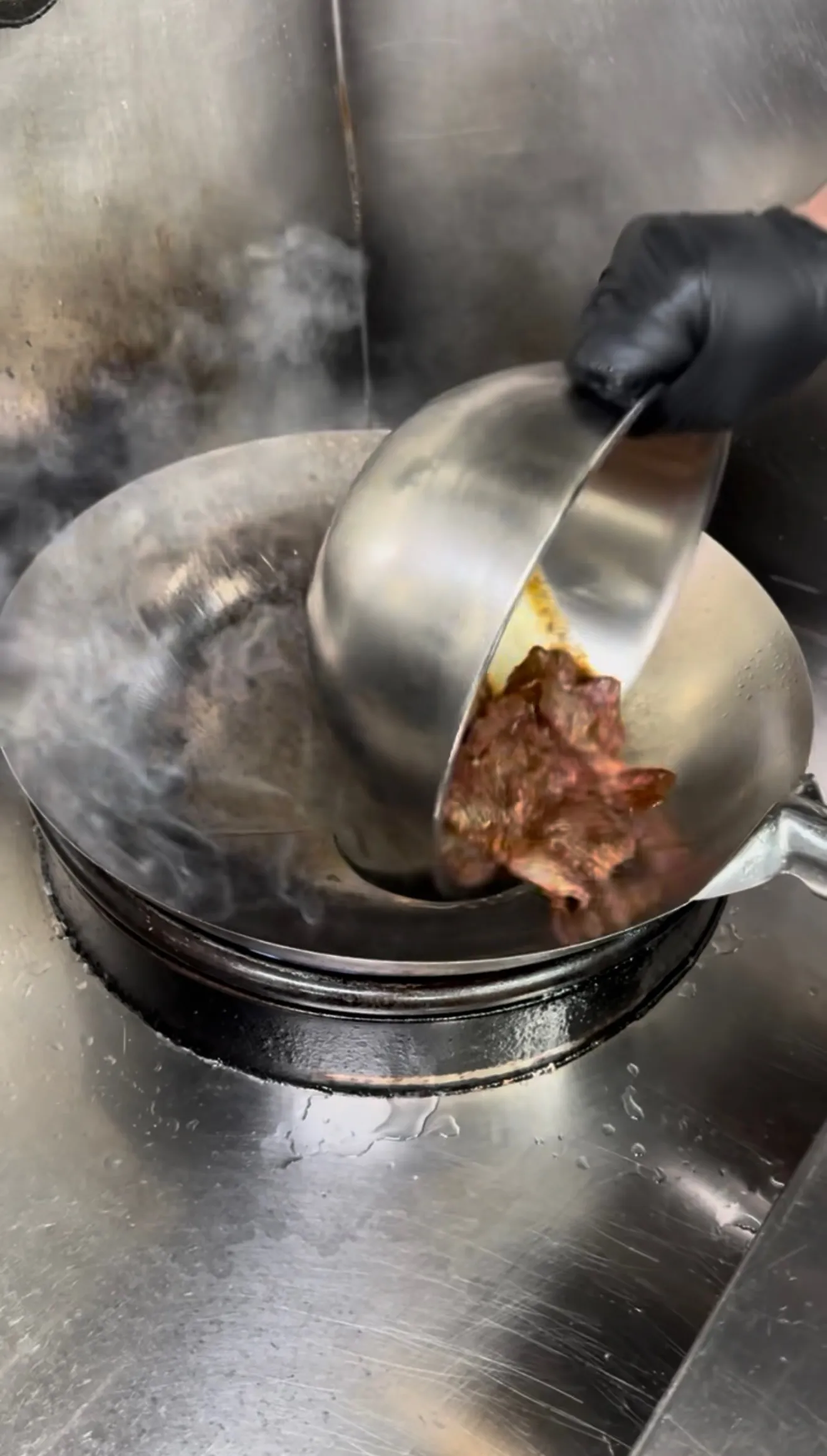
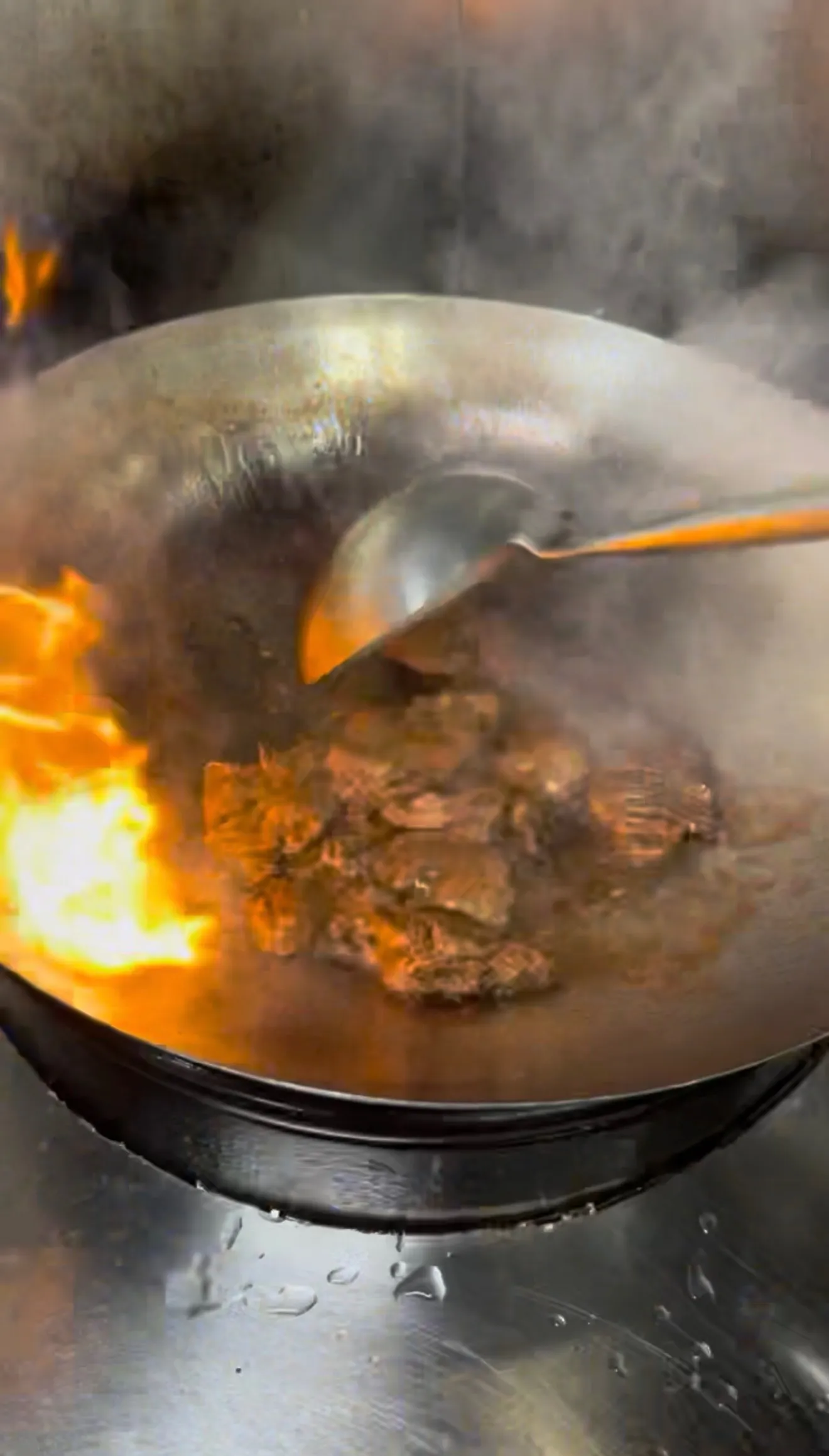
Pat the beef strips completely dry with paper towels. Season generously with salt and black pepper. Heat a wok or large skillet over high heat until it begins to smoke. Add 2 tablespoons of vegetable oil and swirl to coat. Place the beef strips in a single layer, leaving space between each piece. Sear for 1 to 2 minutes without moving them. You want a hard brown crust on the outside while the center stays pink. Remove the beef immediately and set aside on a plate. Do not overcook.
Step 3: Stir Fry the Vegetables
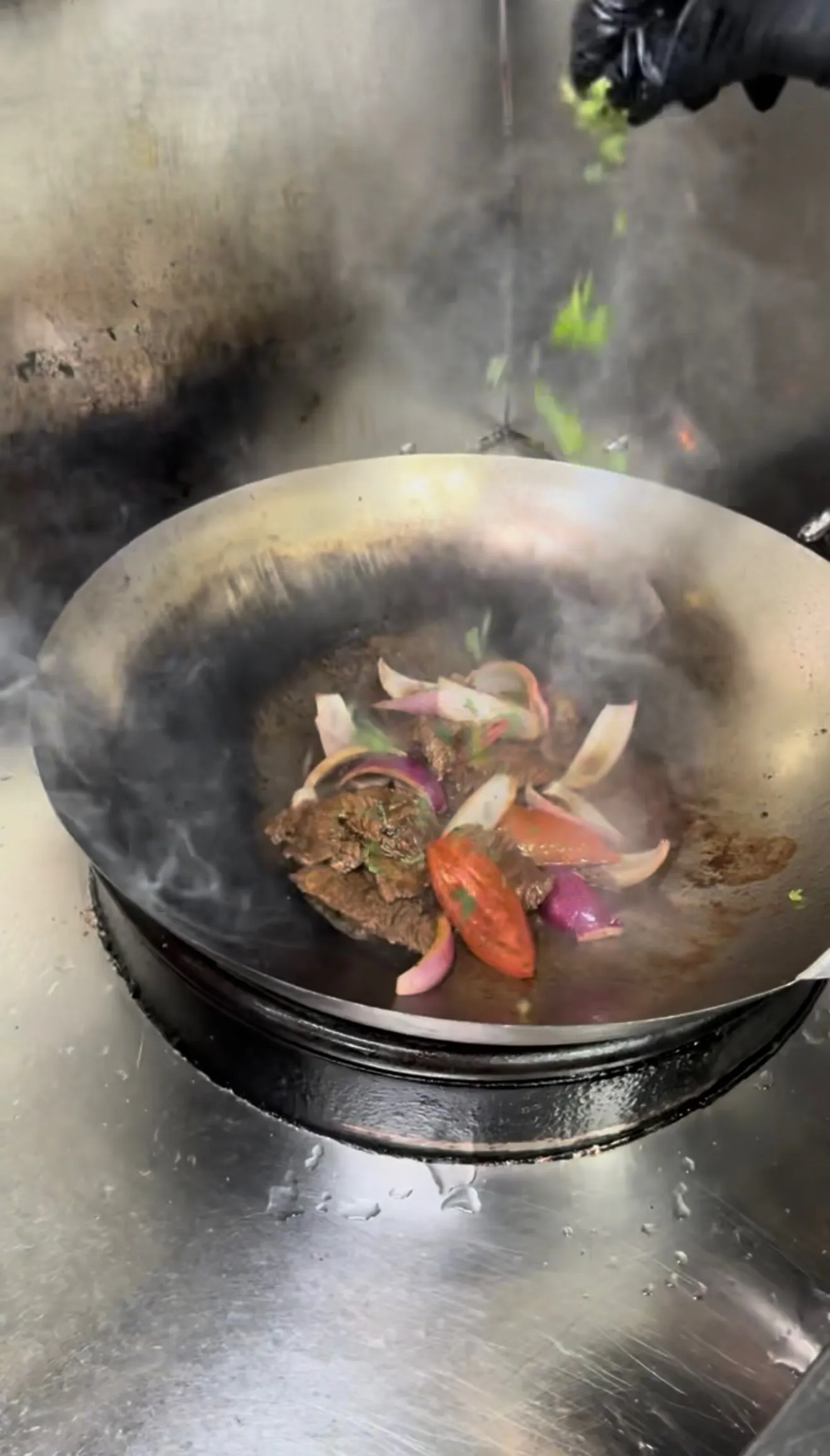
In the same hot pan, add a bit more oil if needed. Toss in the minced garlic, red onion wedges, and tomato wedges. Stir fry on high heat for 2 to 3 minutes. The onions should soften at the edges but remain slightly crisp in the center. The tomatoes should char lightly on their cut faces without falling apart. Keep everything moving in the pan.
Step 4: Build the Sauce
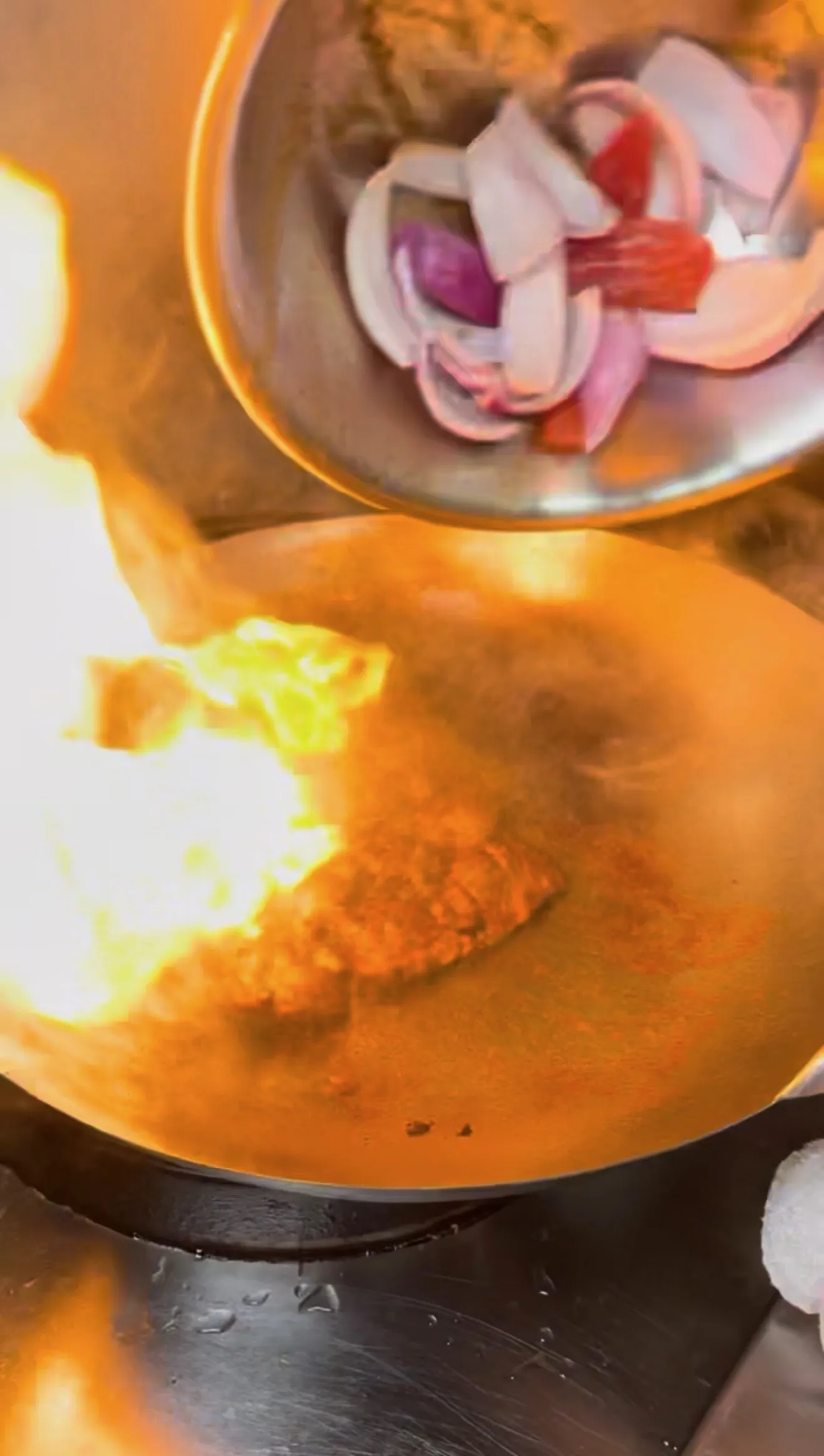
Add 2 to 3 tablespoons of soy sauce, 1 tablespoon of red wine vinegar, and 1 to 2 tablespoons of aji amarillo paste directly to the pan. If using cumin, sprinkle 1 teaspoon in now. The liquid should hit the hot pan and reduce almost immediately, creating a glossy sauce that coats the vegetables. Toss everything to combine for about 30 seconds.
Step 5: Combine Everything
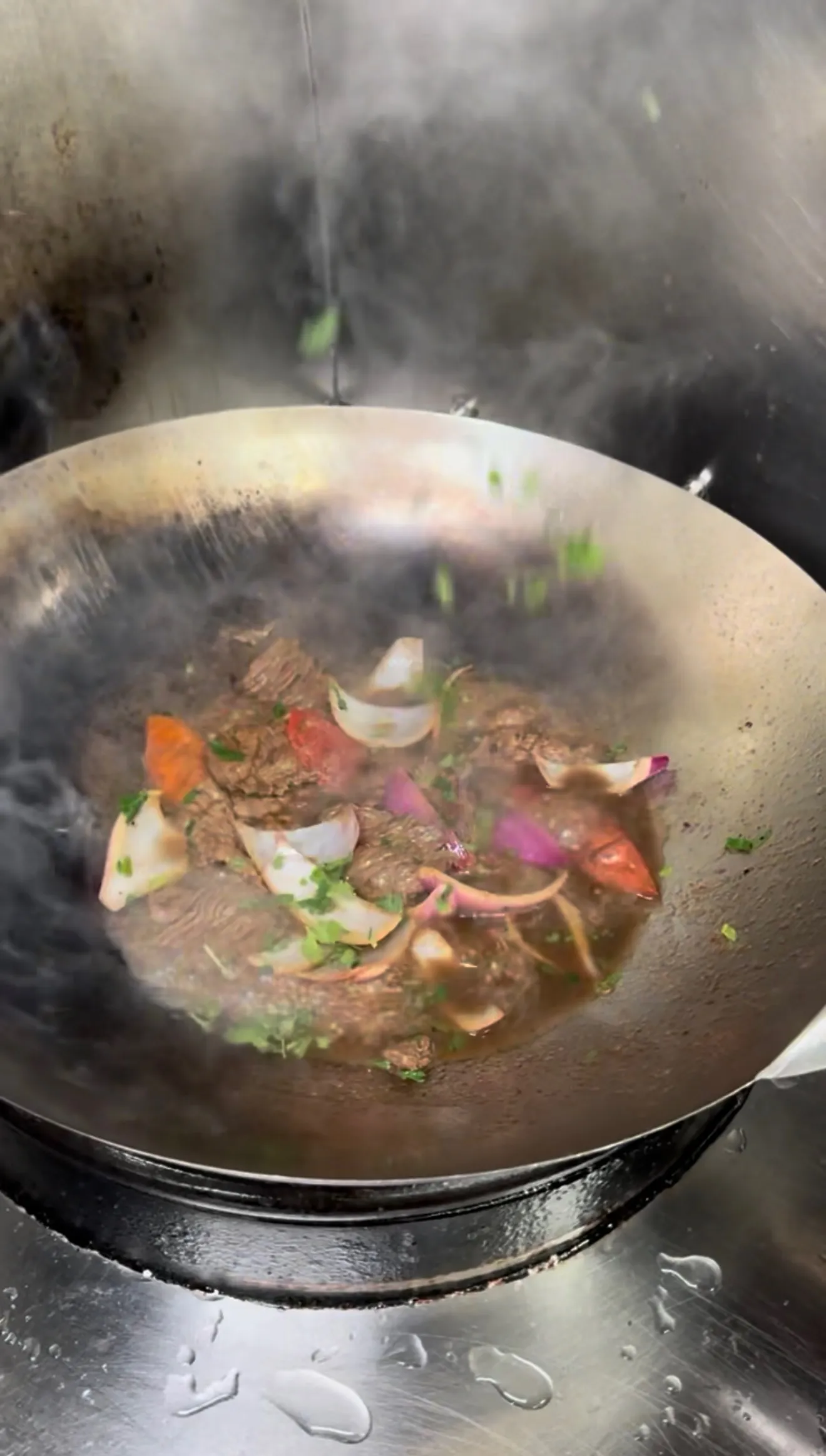
Return the seared beef and all its resting juices to the pan. Toss to coat in the sauce. Add the cooked fries and gently fold them in. Alternatively, keep the fries on the side if you prefer maximum crunch. Cook for another 1 to 2 minutes, just enough to warm the beef through and let the fries absorb some sauce.
Step 6: Finish and Serve
Sprinkle fresh chopped cilantro over the top. Plate the lomo saltado alongside a mound of white rice and the remaining fries. Spoon any extra sauce from the pan over everything. Serve immediately while the beef is still juicy, the vegetables are bright, and the fries have not had time to soften.
Lomo Saltado (Peruvian Beef Stir Fry)
Ingredients
Equipment
Method
- Cook French fries until golden and crispy (bake at 425°F for 20-25 minutes or deep fry). Set aside and keep warm.
- Pat beef strips dry. Season with salt and pepper. Heat wok or large skillet over high heat until smoking. Add oil and sear beef in a single layer for 1-2 minutes until browned. Remove and set aside.
- In the same hot pan, add more oil if needed. Add garlic, red onion wedges, and tomato wedges. Stir fry on high heat for 2-3 minutes until slightly charred but still crisp.
- Add soy sauce, red wine vinegar, and aji amarillo paste to the pan. Sprinkle in cumin if using. Toss to coat vegetables in the sauce.
- Return beef and its juices to the pan. Add fries and gently toss (or serve fries on the side for maximum crunch). Cook 1-2 minutes more.
- Sprinkle with fresh cilantro. Serve immediately with white rice.
Notes
Lomo Saltado — FAQ
Lomo Saltado Questions
Lomo saltado is a Peruvian beef stir fry that combines strips of seared beef with tomatoes, red onion, soy sauce, and red wine vinegar. It is served with both French fries and white rice on the same plate. The dish is part of Chifa cuisine, the fusion of Chinese stir-fry technique and Peruvian ingredients that developed when Cantonese immigrants arrived in Peru during the 19th century.
Traditional lomo saltado uses beef tenderloin (lomo fino). For home cooking, sirloin offers the best balance of tenderness, flavor, and price. Ribeye works as a premium upgrade with extra marbling. Flank steak and skirt steak are budget-friendly alternatives. Cut all beef against the grain in thick strips, about 1 inch wide.
Aji amarillo is a bright yellow Peruvian pepper with moderate heat and a fruity, slightly sweet flavor. The paste form is available at Latin grocery stores and online. You can skip it, and the dish will still taste great with soy sauce and vinegar. However, aji amarillo is what makes lomo saltado taste distinctly Peruvian rather than like a generic stir fry.
Traditionally, the fries go directly into the stir fry during the last minute of cooking. They absorb the soy-vinegar sauce and soften slightly. However, many people prefer serving them on the side to keep them crispy. A popular approach is to toss half the fries in and keep the other half on the side for both textures.
Technique and Serving
Two likely causes: the pan was not hot enough, or it was overcrowded. When too much beef sits in the pan at once, the temperature drops and the meat steams instead of searing. Cook in a single layer with space between strips over very high heat. Sear for only 1 to 2 minutes. The beef finishes cooking when it returns to the pan at the end.
Yes. A large cast iron skillet or stainless steel pan works well. The key is high heat and enough surface area for the beef to sear without crowding. A wok has the advantage of a concentrated hot spot at the bottom and sloped sides for tossing, but it is not required. Peruvian chef Gaston Acurio recommends using a regular pan and cooking in smaller batches.
Yes. Chicken thighs work well because they stay juicy during the high-heat sear. Cut into similar-sized strips and cook for 3 to 4 minutes instead of 1 to 2, ensuring the chicken is fully cooked through. The dish is also commonly made with mushrooms for a vegetarian version. The sauce and vegetable preparation stay the same regardless of the protein.
Lomo saltado translates loosely to “jumping loin” or “sauteed beef.” “Lomo” refers to beef tenderloin (the traditional cut), and “saltado” means sauteed or stir-fried. The name references the way the beef strips jump and move in the hot wok during cooking.